23rd March 2026
Reverse Homework: What Happens When Children Teach You
For many families, homework follows a familiar pattern. A child sits at the kitchen table, a parent hovers nearby, and the evening becomes a mix of encouragement, explanations, and the occasional sigh of frustration. But what if we flipped the script? What if, instead of always being the helper, you became the student?
This idea is known as reverse homework, a simple but powerful approach where children explain what they have learned and teach it back to their parents. It may sound like a small change, but it can have a big impact on confidence, understanding, and family relationships.
What Is Reverse Homework?
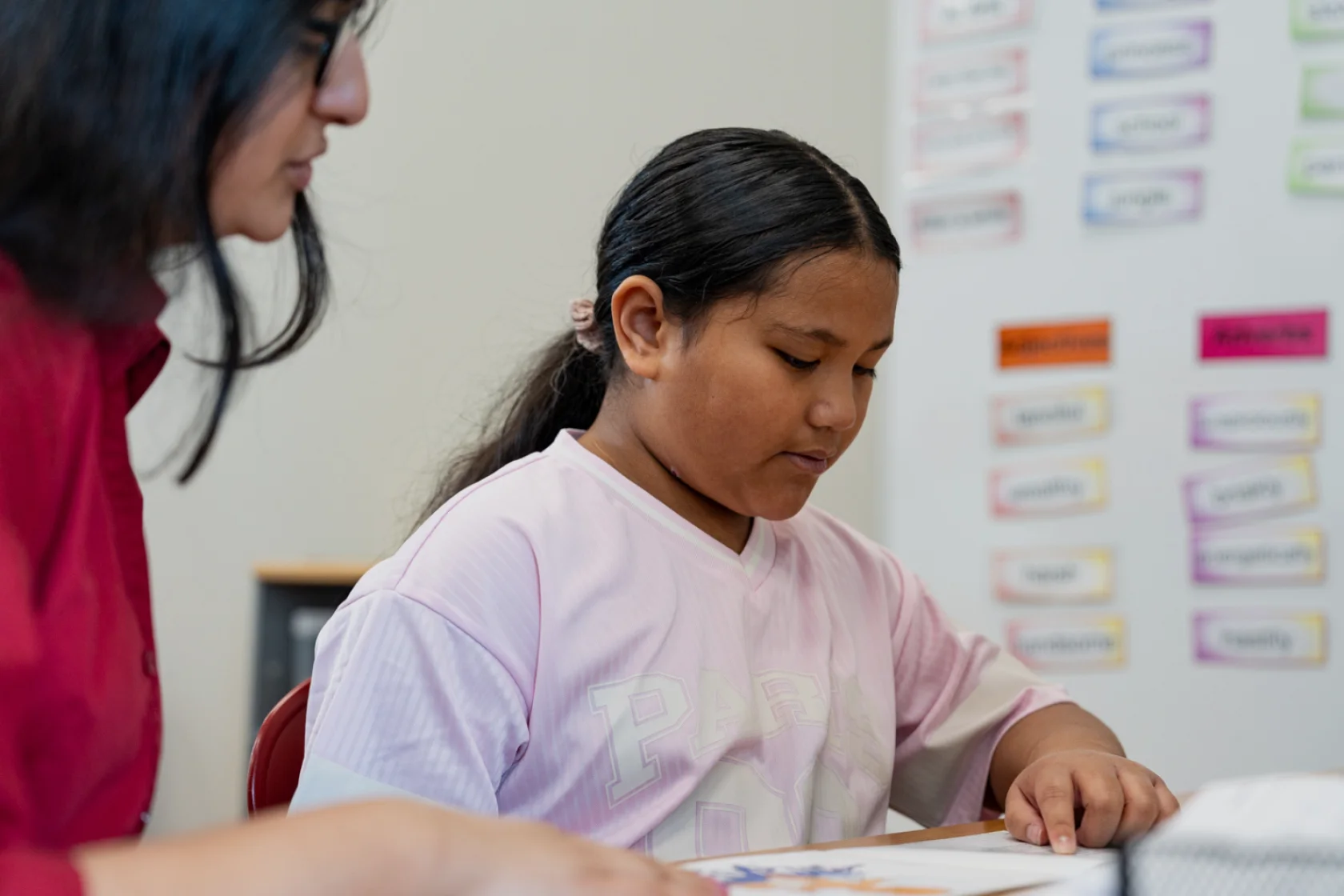
Reverse homework is exactly what it sounds like. Instead of parents leading the learning, children take the role of the teacher. After school or tutoring, they explain a concept, demonstrate a skill, or talk through a problem as if they are teaching you.
For example, a child might show you how they learned to tell the time using quarter past and quarter to. Another child might explain the difference between area and perimeter. Your child might even walk you through a science experiment or the structure of an essay.
The goal is not to test them. It is to give them a chance to teach, explain, and reflect on what they have learned.
Why Teaching Builds Understanding
There is a well-known saying in education: if you can teach it, you truly understand it. When children explain a concept, they have to organise their thoughts, choose the right words, and connect ideas. This process strengthens their memory and deepens their understanding.
Imagine a child learning their times tables. If they simply memorise 6 × 7 = 42, they might remember it for a test. But if they explain it to you, perhaps using groups of objects or drawing arrays, they begin to understand why the answer is 42.
By teaching someone else, they move from memorisation to real comprehension.
Confidence Grows When Children Feel Like Experts
Children do not always feel confident about schoolwork, especially if they have struggled with a subject. Reverse homework gives them a chance to shine.
For example, a child who usually feels nervous about maths might come home excited after finally understanding fractions. When they explain that three-quarters is bigger than a half because it is three parts instead of two, they start to feel capable and proud.
Even older children benefit. A child who explains how to analyse a poem or solve an algebra equation begins to see themselves as someone who knows things, not just someone who completes assignments.
Confidence grows when children feel heard and valued.
It Strengthens the Parent-Child Relationship
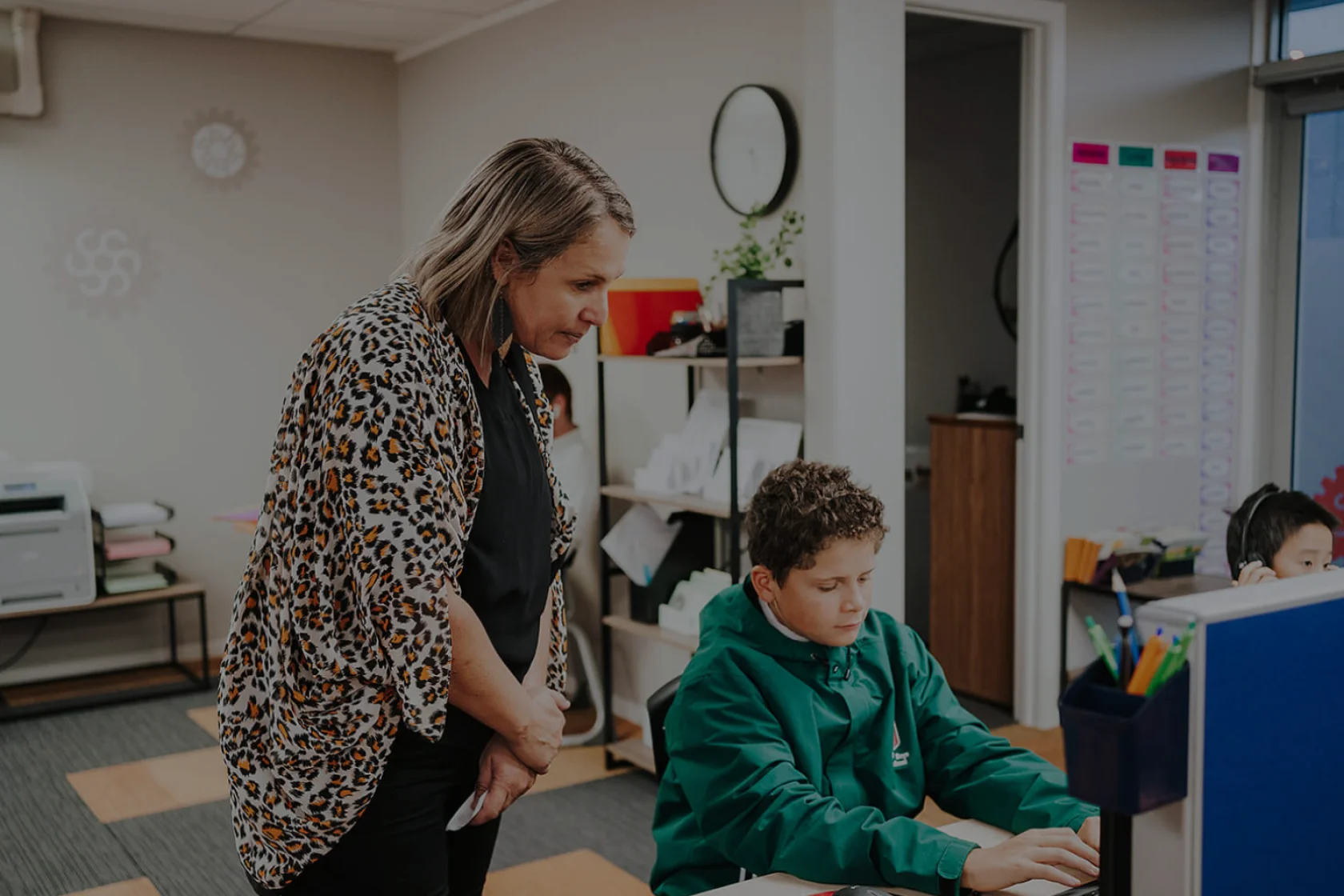
Reverse homework changes the tone of after-school learning. Instead of being the one who corrects mistakes or pushes for answers, you become the curious listener.
This can reduce tension, especially for families who have experienced homework battles.
For example, instead of saying, “You have done that wrong, try again”, you might say, “Can you show me how you solved that?” or “Why does that method work?”
This simple shift turns homework into a conversation rather than a correction session. Children are more likely to stay engaged when they feel supported rather than judged.
How to Try Reverse Homework at Home
You do not need special materials or a formal system to make reverse homework work. It can be as simple as a five-minute chat at the table.
Here are a few easy steps:
Ask open questions: Instead of “Did you finish your homework?” try asking the following:
What did you learn today?
Can you teach me something new?
Show me how that works.
Be the curious student
Let your child take the lead. Ask questions, but do not jump in with corrections straight away.
Keep it short and positive
Five to ten minutes is enough. The goal is understanding, not perfection.
Celebrate effort, not just accuracy: Say things like the following:
That makes sense now.
You explained that really clearly.
I can see you have worked hard on this.
What If You Do Not Understand the Topic?
Many parents worry about helping with homework because the content feels unfamiliar, especially as children get older. Reverse homework removes that pressure.
You do not need to know the answers. In fact, it can be helpful if you do not. When children explain something to someone who genuinely does not understand, they practise breaking ideas down into simple steps.
If your child is explaining algebra and you are not confident with it, you can simply say, I am not sure I follow that part; can you explain it another way? This encourages deeper thinking.
The Long-Term Benefits
Over time, reverse homework helps children develop important life skills, including communication as they learn to explain ideas clearly, critical thinking as they deepen their understanding enough to teach others, and independence as they take greater ownership of their learning.
These skills matter far beyond the classroom. Whether they are giving a presentation, training a colleague, or sharing an idea, the ability to explain something well is incredibly valuable.
A Simple Change With Big Results
Reverse homework does not require new technology or expensive resources. It is simply a shift in perspective. By letting your child become the teacher, you give them a chance to build confidence, strengthen their understanding, and enjoy learning in a new way.
Tonight, instead of asking, “Do you have homework?” try asking, “What can you teach me today?”
You might be surprised at how much both of you learn.