9th June 2026
How Art and Drawing Can Improve Literacy Skills
When parents think about helping their child with reading and writing, they usually picture books, spelling lists, or handwriting practice. But one of the best tools for building literacy skills can actually be much more creative, like art and drawing.
For many children, drawing feels fun, relaxing, and natural. What parents often do not realise is that it can also help children become better readers, writers, and communicators. In fact, art helps children organise their thoughts, understand stories more clearly, and build confidence with words.
The good news is you do not need to be artistic yourself to encourage this at home. Simple drawing activities can make literacy learning feel far more enjoyable and less stressful for children.
Drawing Helps Children Understand Stories
One of the biggest parts of literacy is understanding what you read. Some children can read all the words on a page but still struggle to explain what the story means. Drawing can help with this.
When children draw scenes from a story, they slow down and think more carefully about what is happening. They picture the characters, imagine the setting, and focus on important details.
For example, if your child is reading a story about a magical castle, ask them to draw what they think the castle looks like. Is it old and mysterious? Bright and colourful? Surrounded by dragons?
This simple activity helps children connect with the story in a deeper way, which improves reading comprehension and memory.
Pictures Can Help Children Start Writing
For many children, writing can feel overwhelming. Sitting in front of a blank page and trying to think of ideas is not always easy. Drawing gives children a starting point.
A child might draw a picture of a dog lost in the park, then another picture of the dog finding its owner. Suddenly, they already have the outline of a story.
Instead of trying to invent ideas while writing, they can focus on turning their pictures into words and sentences. This makes writing feel more manageable and often much more enjoyable.
It is especially helpful for children who say things like:
“I don’t know what to write.”
“Writing is boring.”
“I’m not good at English.”
Sometimes, all they need is a creative way to get started.
Drawing Helps Build Vocabulary
Children learn new words more easily when they can connect them to images and experiences. Think about how much easier it is to remember a word like “gigantic” when you draw a tiny mouse standing next to a huge elephant. Or the word “stormy” when you draw dark clouds, rain, and lightning. Drawing gives meaning to words.
This is why many teachers encourage children to illustrate vocabulary words. It helps them remember definitions and understand how words are used in real situations.
Over time, this can lead to stronger speaking and writing skills because children feel more confident using descriptive language.
Art Makes Learning Feel Less Stressful
Not every child enjoys traditional literacy activities. Some children feel nervous about spelling mistakes or worried about getting the “wrong” answer. Art can take away some of that pressure.
There is no perfect way to draw a story or illustrate an idea. Because drawing feels more relaxed, children are often more willing to participate and share their thoughts.
For example, a child who struggles to write a paragraph about their weekend may happily draw pictures of what they did. Once the pictures are there, it becomes much easier to talk about them and eventually write about them too.
This helps children build confidence step by step.
Drawing Strengthens Creativity and Imagination
Strong literacy skills are not only about spelling and grammar. They are also about being able to think creatively, explain ideas, and tell stories. Drawing encourages imagination in a natural way.
When children create characters, settings, or comic strips, they are learning how stories work. They begin thinking about emotions, problems, solutions, and sequences of events. These are all important skills for reading comprehension and creative writing later on. A child drawing superheroes today may be writing exciting adventure stories tomorrow.
Easy Ways Parents Can Try This at Home
You do not need fancy supplies or detailed lesson plans to use art as a literacy tool. Even simple activities can have a big impact.
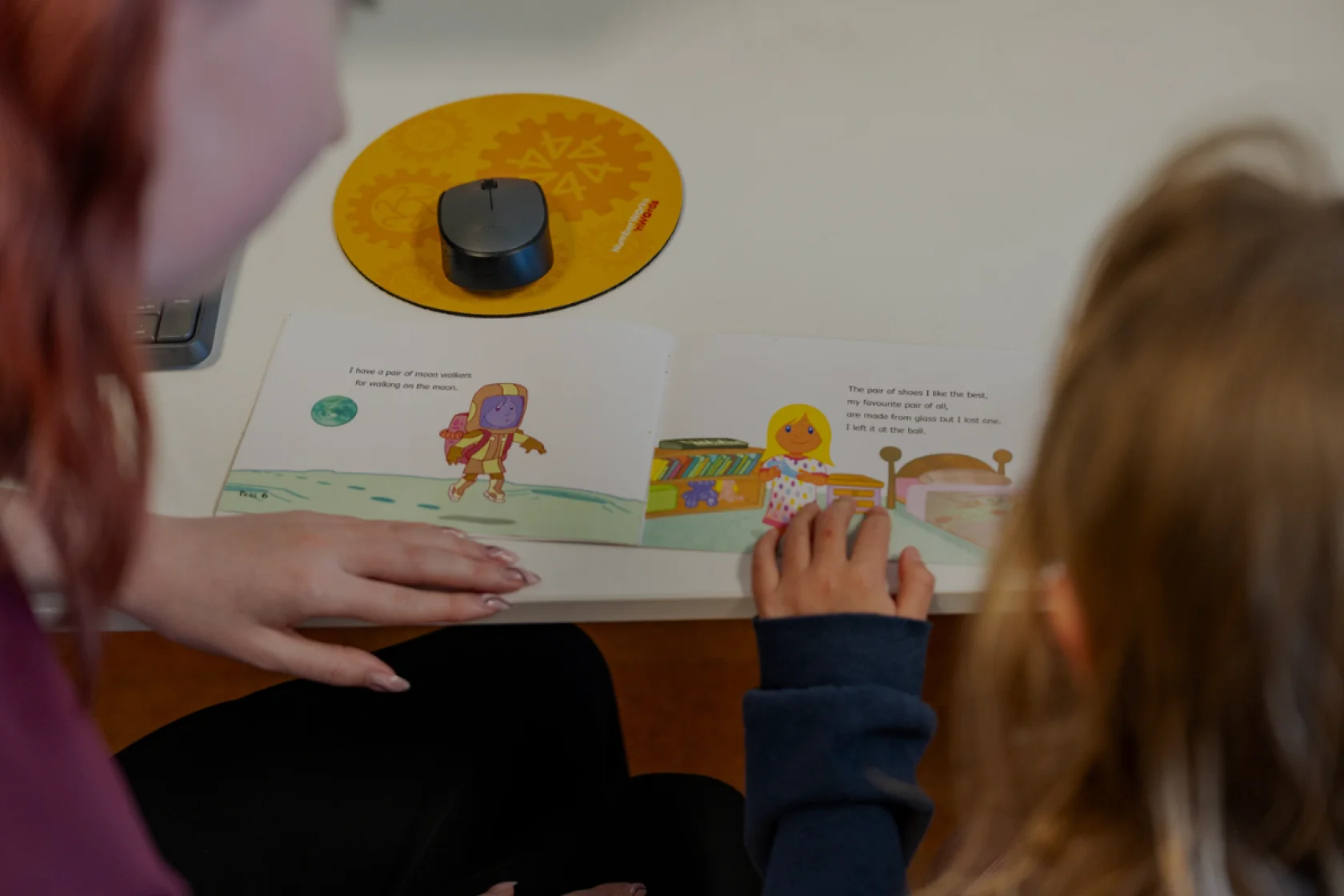
You could ask your child to draw their favourite part of a book after reading together. You could encourage them to make a comic strip about their day using speech bubbles. Younger children might enjoy drawing new vocabulary words or creating picture stories before writing sentences underneath.
Another great idea is to pause during a bedtime story and ask, “What do you think happens next?” Then have your child draw their prediction. Activities like these keep literacy learning fun, interactive, and engaging.
Every Child Learns Differently
Some children learn best by reading. Others learn best by listening, moving, or seeing things visually. Drawing gives visual learners another way to process information and express themselves. It allows children to communicate ideas even when they are still developing confidence with words.
This is why creative learning approaches can be so powerful. When children enjoy the learning process, they are more likely to stay motivated and keep improving.
Final Thoughts for Parents
Art and drawing may seem simple, but they can play a big role in helping children develop stronger literacy skills. From improving reading comprehension to building vocabulary and writing confidence, creative activities give children another pathway into learning.
Most importantly, drawing helps children see literacy as something enjoyable rather than stressful. And when children enjoy learning, progress often follows naturally.
Free Assessment at NumberWorks’nWords
If your child needs extra support with reading, writing, spelling, or overall English confidence, NumberWorks’nWords can help.
We offer a free assessment to help identify your child’s strengths and areas where they may need support. Our personalised English and maths programmes are designed to build confidence, improve skills, and help children enjoy learning again.
Book your free assessment with NumberWorks’nWords today and give your child the support they need to thrive.