13th May 2026
Encouraging Reading in the TikTok Era
In a world where short-form videos are constantly competing for attention, getting children to pick up a book can feel like an uphill battle. TikTok, YouTube Shorts, Instagram Reels and endless gaming content are designed to be fast, exciting and highly engaging, so it is no surprise that traditional reading sometimes takes a back seat. But reading remains one of the most powerful skills a child can develop for success in school, especially in English and across all areas of learning. The good news is that with the right approach, parents can absolutely encourage strong reading habits at home in a way that feels natural, fun and achievable.
Why Reading Still Matters More Than Ever
Even in the digital age, reading is a cornerstone of education. Strong reading skills support vocabulary development, comprehension, writing ability and critical thinking. In subjects like English, children who read regularly tend to perform better because they are more familiar with sentence structure, storytelling techniques and a wider range of words.
Reading also supports learning in maths and science. Word problems, instructions and exam questions all rely on strong literacy skills. When children are confident readers, they are more confident learners overall. In short, encouraging reading is not just about books; it is about building academic success across the board.
The TikTok Effect on Attention Spans
One of the biggest challenges parents face today is the impact of fast-paced digital content. Platforms like TikTok are designed to deliver instant entertainment in seconds. This can make slower activities like reading feel less appealing, especially at first.
Children may struggle to focus on longer texts or lose patience when a story takes time to build. This does not mean they cannot enjoy reading; it simply means their brains are adjusting from constant stimulation. The key is helping them rebuild focus gradually, without pressure or frustration.
Creating a Reading-Friendly Environment at Home
One of the simplest ways to encourage reading is to make it easy and visible. A home environment that celebrates books can make a huge difference.
Try creating a small reading corner with comfortable seating and good lighting. Keep a mix of books available, including fiction, non-fiction, graphic novels, magazines and even joke books. The more variety, the better. Let your child see you reading too, whether it is a novel, newspapers, or cookbooks. Children are far more likely to read when they see it as a normal and enjoyable part of everyday life.
Choosing the Right Books
A common mistake is steering children only towards books that adults think they should read. While educational value is important, interest is what builds consistency.
If a child loves sport, look for biographies of athletes or stories set in sporting worlds. If they are into gaming, there are plenty of adventure and fantasy novels that match those themes. Even comic books and graphic novels can be a fantastic gateway into reading.
The goal is simple: help the child fall in love with reading first. Skill development will follow naturally.
Making Reading Feel Less Like a Chore
Reading should never feel like punishment. If it becomes associated with pressure or boredom, children are more likely to avoid it.
Instead of setting strict rules like reading for 30 minutes, try softer approaches. For example, reading together before bed, taking turns reading pages aloud, or listening to audiobooks during car rides. These small, relaxed moments can build positive associations with reading.
You can also connect reading with rewards that are not material, like choosing the next family movie, staying up a little longer, or picking a weekend activity.
Building Reading Habits in a Digital World
It is unrealistic to expect screens to disappear completely, so the goal is balance rather than elimination. Setting gentle boundaries around device use can help create space for reading.
For example, you might introduce no screens before reading time in the evening, or designate certain times of the day as quiet reading time for the whole family. Encouraging a child to swap even 10 to 15 minutes of scrolling for reading can make a big difference over time.
You can also use technology to support reading. E-books and audiobooks are great alternatives for reluctant readers, and many children find them just as engaging as physical books.
Supporting Struggling or Reluctant Readers
If a child is finding reading difficult, it is important not to let frustration build. Struggling readers often avoid books because it feels hard or overwhelming, not because they dislike stories.
Start with shorter, simpler texts and gradually build confidence. Re-reading favourite books is also helpful, as familiarity builds fluency. Reading aloud together can take pressure off the child and help them hear what fluent reading sounds like.
If challenges continue, additional support can make a big difference. Targeted tutoring can help strengthen phonics, comprehension and confidence in a structured but supportive environment.
The Role of Parents as Reading Role Models
Children are incredibly influenced by what they see at home. When parents prioritise reading, children are more likely to do the same.
This does not mean parents need to be reading complex novels every night. Even small actions like reading a recipe, a magazine, or a few pages of a book send a powerful message. Talking about what is being read can also spark curiosity and conversations with a child.
Asking simple questions like what the book is about or what happened in the chapter shows interest and reinforces that reading is valuable and worth sharing.
When Extra Support Can Help
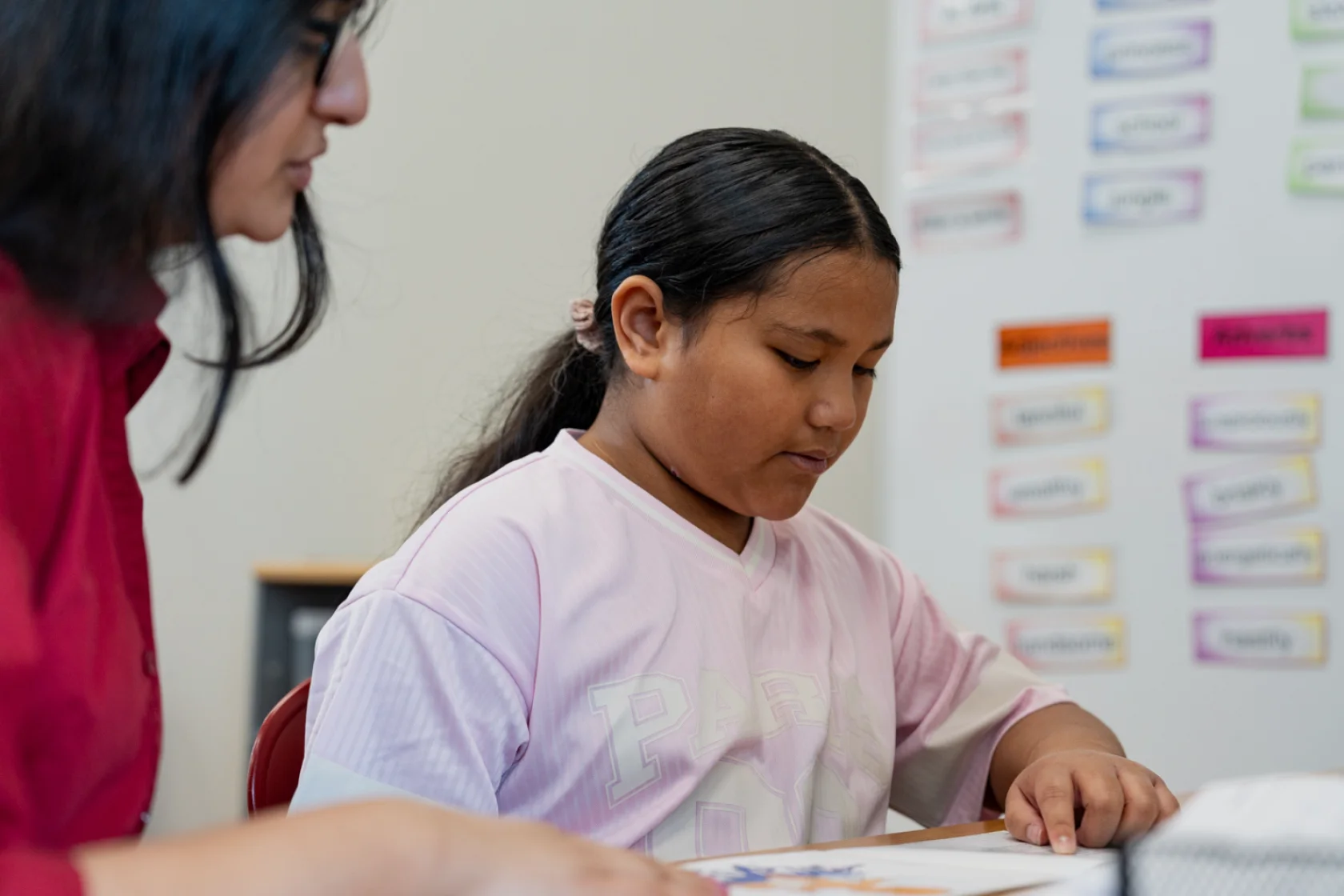
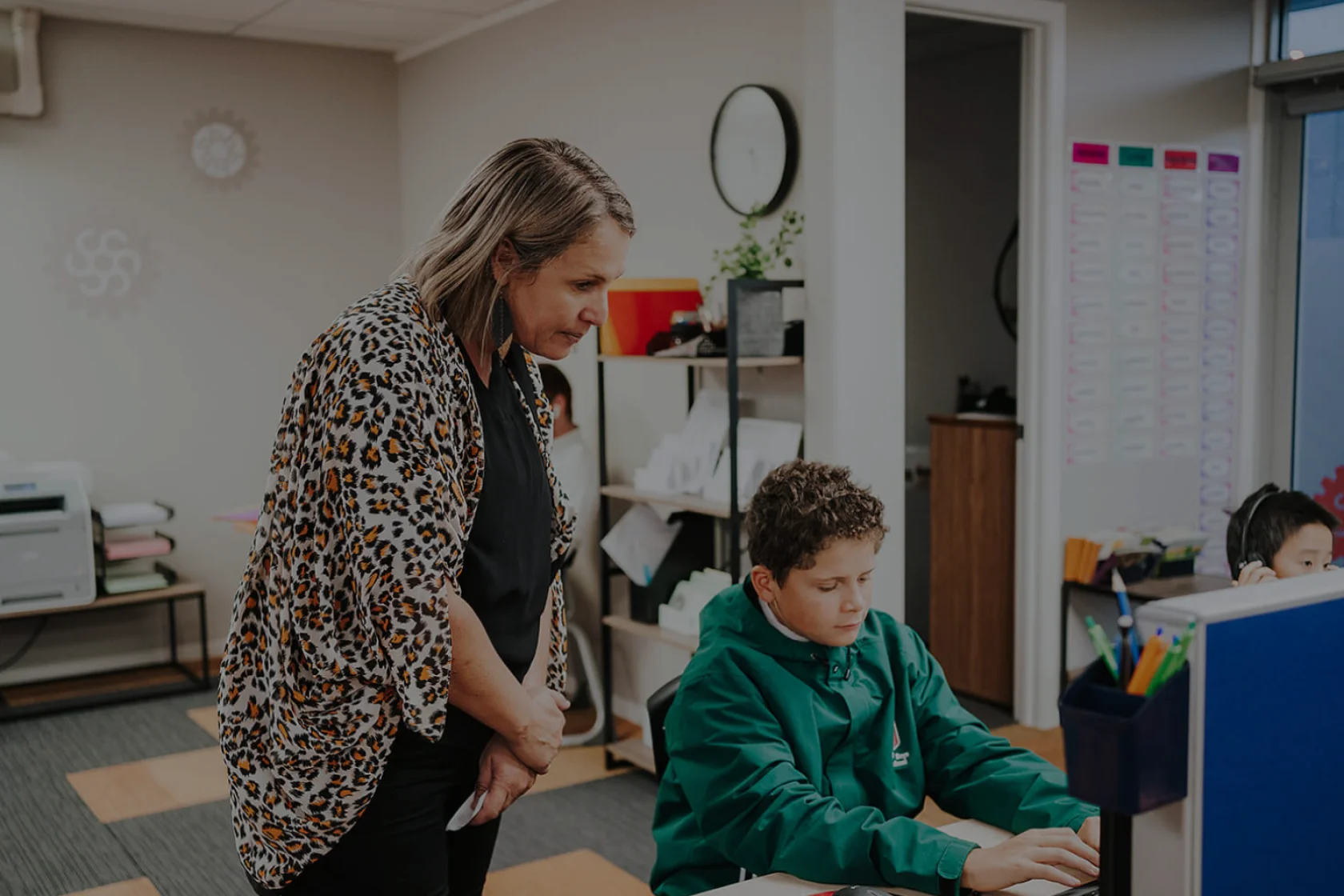
Sometimes, despite best efforts at home, a child needs a bit of extra guidance to build confidence in reading, writing or comprehension. This is where structured learning support can make a real difference.
At NumberWorks'nWords, students receive personalised tutoring in maths and English designed to meet them at their current level and help them grow step by step. With supportive tutors and tailored learning plans, children can build strong reading skills, improve confidence and rediscover enjoyment in learning. Many students find that once their reading improves, their overall academic performance improves too.
Final Thoughts: Small Steps Lead to Big Changes
Encouraging reading in the TikTok era is not about competing with technology; it is about balancing it. By making reading enjoyable, accessible and part of everyday life, parents can help children develop lifelong literacy skills and a genuine love of books.
Start small. Ten minutes a day, the right book, a relaxed environment. These simple changes can have a lasting impact. Over time, those small moments of reading add up to stronger English skills, better academic results and more confident learners.
And if a child needs a boost along the way, support is always available to help them get there.