5th December 2025
How to Prevent the Summer Learning Slide
As the school year draws to a close, families often look forward to slowing down and enjoying the long summer break. Children are eager for the freedom ahead, parents are ready for a change of pace, and everyone welcomes the chance to recharge after a busy year. Still, amid the excitement, it’s common for parents to quietly worry about their child’s learning slipping over the holidays. Many children do experience a dip in their maths and literacy skills during this time, so it’s a concern worth acknowledging. The encouraging news is that preventing this doesn’t require strict routines or hours of formal study. With a few simple strategies, you can help your child stay mentally engaged while still enjoying the relaxed rhythm of summer.
Write About Holiday Activities
One of the simplest ways to support learning is by turning everyday experiences into gentle educational opportunities. A great place to start is by encouraging your child to keep a holiday journal. This can be handwritten, typed, or even enhanced with photos and drawings. Writing about their daily adventures helps them practise spelling, grammar, and creative thinking. Some children enjoy using prompts like, “What was the best part of my day?”, “What did I learn about myself this week?”, or “What made me laugh today?”. These small reflections keep their writing skills active while also creating a meaningful record of their summer memories.
Read a Book Before Bed
Reading is another valuable habit that can benefit children greatly over the holidays. A simple bedtime reading routine not only supports literacy development but also brings a sense of calm at the end of busy days. Even just ten minutes can make a noticeable difference. Allowing children to choose what they read is important, as having a choice helps build motivation. Whether they enjoy chapter books, graphic novels, magazines, or non-fiction books about animals, reading regularly helps maintain fluency and expand vocabulary. Reading together can also be a wonderful way to connect, especially when you take turns or share a favourite story.
Bring Learning into The Kitchen
Holidays often mean more time spent in the kitchen, which makes it a wonderful place for learning. Inviting children to help prepare Christmas treats or summer snacks gives them the chance to practise reading instructions, measuring ingredients, understanding fractions, and keeping track of timing. Cooking is practical, hands-on, and fun, and it naturally reinforces both maths and English skills. There’s also a real sense of pride in creating something tasty to share with friends and family.
Christmas Cards With a Personal Touch
Another activity that combines creativity with literacy is making personalised Christmas cards. Many children enjoy designing their own cards using pens, stickers, glitter, or coloured paper. Writing a message inside each card gives them a chance to practise handwriting, spelling, and sentence structure, while reflecting on what they appreciate about each recipient. It’s a simple activity that nurtures both communication skills and emotional awareness.
Keep Maths Alive Through Play
Maths can also be kept active over the holidays through play. Board games are particularly effective because they involve counting, strategy, mental maths, and problem-solving. Games like Monopoly, Yahtzee, Uno, and classic card games are fun for the whole family while subtly reinforcing important skills. Outdoor play offers plenty of opportunities as well. Children can estimate distances, count steps, time races, or keep score during backyard games. Even shopping trips can become learning moments with chances to compare prices and estimate totals. Activities such as building with LEGO, completing puzzles, and working on craft projects also support spatial thinking, planning, and measurement. While these activities may seem simple, they make a real difference in maintaining maths confidence.
Set Gentle Routines
Although holidays should feel relaxed, simple routines can help children stay in the rhythm of learning. Small habits, such as reading each night or writing once or twice a week, can prevent skills from slipping. Playing short, enjoyable maths games every few days also helps keep abilities fresh. The aim is not to recreate school at home but to support children in staying connected to learning in a gentle and positive way.
NumberWorks’nWords January Holiday Programs
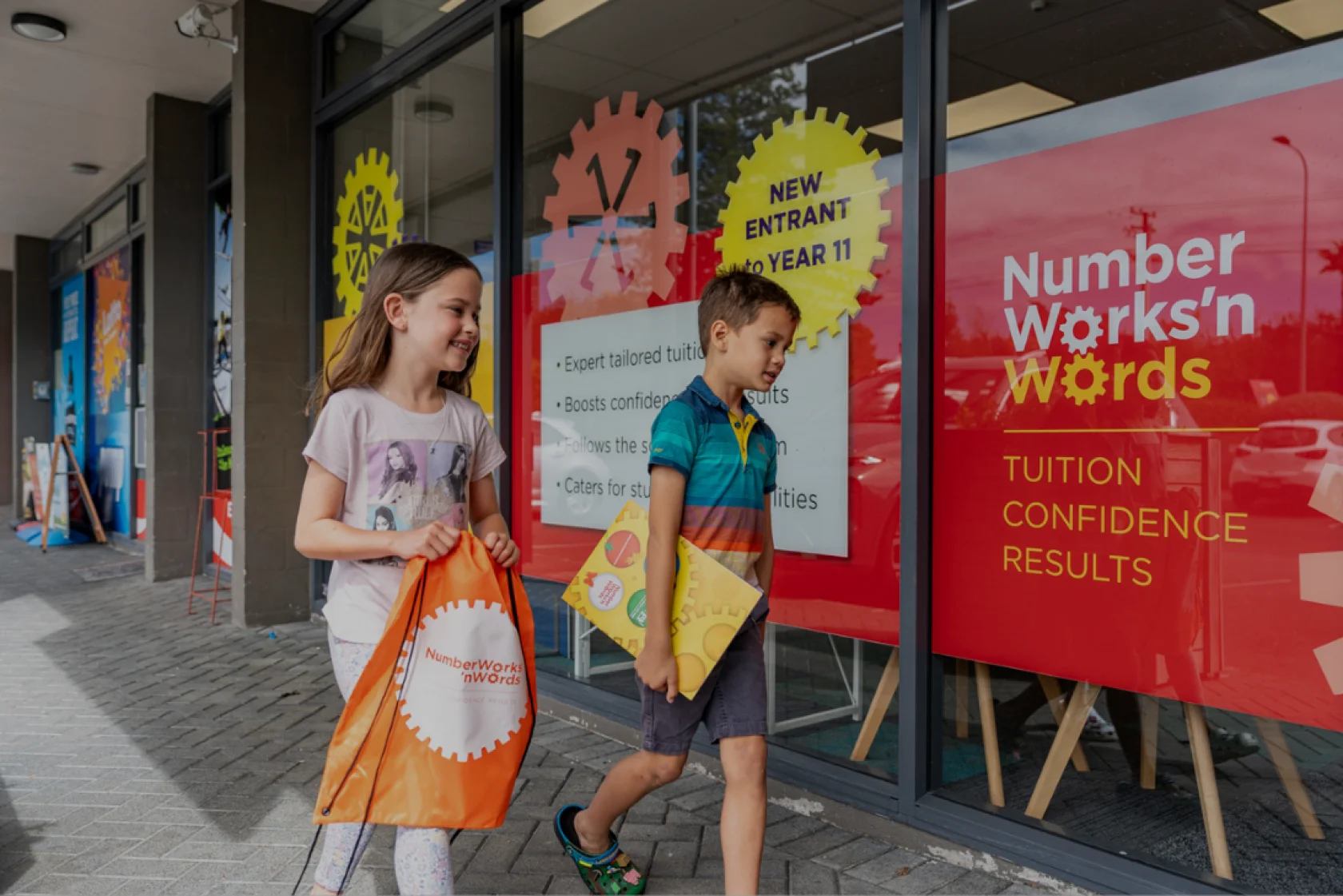
As January approaches, many parents start thinking about how to help their child begin the new school year feeling confident and ready. This is where structured support can make a real difference. NumberWorks’nWords holiday programs, held towards the end of January, are designed to refresh essential skills, rebuild confidence, and establish positive learning habits ahead of Term 1. Our programmes offer personalised support in maths and English, with lessons tailored to each child’s individual needs. Whether your child needs to catch up, stay on track, or get ahead, our holiday sessions provide a supportive environment that helps them feel prepared and motivated for the year ahead.
Conclusion
The summer holidays don’t have to mean a step back in learning. By combining enjoyable activities, light routines, creativity, and gentle academic touchpoints, you can make the break a time for growth and confidence building. Whether your child is writing about their adventures, reading before bed, mixing cookie dough, or taking part in our holiday program, each experience supports their learning in meaningful and enjoyable ways.
By balancing relaxation with enriching moments, you help your child maintain their skills, develop new ones, and start the school year feeling positive and capable. If you would like to find out more about how NumberWorks’nWords can support your child on their learning journey, our team is always happy to help.